
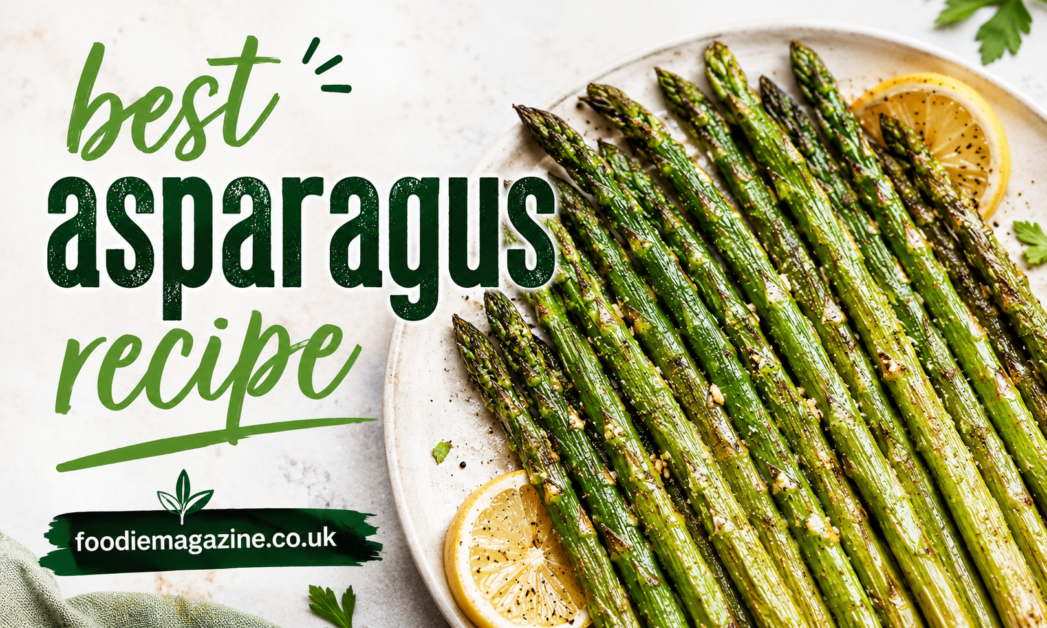
The best asparagus recipe is all about turning something simple into something you actually crave. Asparagus is one of those vegetables people either love or pretend to tolerate. The difference usually comes down to how it’s cooked.
Boiled asparagus? Forget it. It turns limp, watery, and honestly a bit sad.
But roasted asparagus? That’s where everything changes.
Roasting brings out a natural sweetness you don’t expect. The tips get slightly crispy, the stalks stay tender, and when you add garlic and Parmesan, it stops feeling like a “healthy side dish” and starts feeling like something you actually crave.
Here’s the thing: the best asparagus recipe isn’t about complexity. It’s about timing, heat, and a few simple ingredients doing their job properly.
Ingredients You’ll Need
One of the best parts of this recipe is how minimal it is. You don’t need anything fancy or hard to find.
- 1 bunch fresh asparagus
- 2–3 tablespoons olive oil
- 3–4 garlic cloves, finely minced
- Salt, to taste
- Black pepper, freshly ground
- 1/3 cup grated Parmesan cheese
- Optional: lemon juice, chili flakes, or butter
That’s it. No complicated marinades. No long prep time.
How to Choose Fresh Asparagus
Before you even start cooking, the quality of your asparagus matters more than people realize.
Look for:
- Firm, straight stalks
- Bright green color
- Closed, tight tips
- No rubbery or limp texture
Thicker stalks aren’t bad either. In fact, they often roast better because they hold their structure and don’t dry out as quickly.
If the ends feel woody, that’s normal. You’ll trim them anyway.
Step-by-Step: The Best Way to Cook Asparagus
This is where the magic happens. Simple steps, but each one matters.
Step 1: Preheat the Oven
Set your oven to 220°C (425°F).
High heat is key here. It’s what gives asparagus those slightly crispy edges instead of steaming it into softness.
Step 2: Prep the Asparagus
Wash the asparagus and snap off the woody ends. Don’t overthink this—just bend each stalk and it naturally breaks where it should.
Lay them out on a baking tray in a single layer. This part is important. If they overlap too much, they’ll steam instead of roast.
Step 3: Season Properly
Drizzle olive oil over the asparagus. Don’t be shy, but don’t drown it either.
Add:
- Minced garlic
- Salt
- Black pepper
Toss everything gently so each stalk is lightly coated.
This is where flavor starts building.
Step 4: Roast Until Perfect
Place the tray in the oven and roast for 12–15 minutes.
You’re looking for:
- Slightly crispy tips
- Tender but not mushy stalks
- Light golden edges
If your asparagus is very thin, check around the 10-minute mark. Thicker stalks may need a couple more minutes.
Step 5: Add the Finishing Touch
Once out of the oven, sprinkle Parmesan cheese immediately. The heat will melt it slightly, coating the asparagus in a salty, savory layer.
If you want to elevate it further, squeeze a bit of fresh lemon juice on top. It cuts through the richness and brightens everything up.
What Makes This Recipe Work So Well
The best asparagus recipe isn’t about ingredients alone—it’s about balance.
- Olive oil helps with roasting and crisping
- Garlic adds depth without overpowering
- Parmesan brings saltiness and umami
- High heat creates texture contrast
When these elements come together, asparagus stops being “just a vegetable side” and becomes something you actually look forward to eating.
Common Mistakes to Avoid
A lot of people think asparagus is tricky, but most problems come from small mistakes.
Overcooking it
This is the biggest one. Asparagus should be tender with a slight bite, not soft and limp.
Crowding the tray
If the asparagus is piled up, it steams instead of roasting. Always use a large enough tray.
Skipping seasoning
Plain asparagus without salt or fat tastes flat. Olive oil and salt are not optional here.
Using too low heat
Low heat = soggy asparagus. High heat is non-negotiable.
Easy Variations of the Recipe
Once you master the base version, you can adjust it in different directions depending on your mood.
1. Lemon Garlic Asparagus
Add extra lemon zest and juice for a brighter, fresher flavor. Perfect with fish or grilled chicken.
2. Spicy Asparagus
Add chili flakes or a pinch of cayenne before roasting. It gives a subtle heat that works surprisingly well.
3. Butter-Parmesan Version
Swap olive oil for melted butter for a richer, more indulgent taste.
4. Air Fryer Asparagus
Cook at 200°C (390°F) for about 7–9 minutes. It comes out extra crisp and slightly caramelized.
What to Serve with Roasted Asparagus
This dish is flexible. It fits almost anywhere.
It pairs well with:
- Grilled steak or chicken
- Roast salmon
- Creamy pasta dishes
- Mashed potatoes and roast dinners
- Even eggs for a simple brunch plate
It also works surprisingly well in grain bowls or salads if you chop it up afterward.
Nutrition Benefits (Why It’s Worth Eating More Often)
Beyond taste, asparagus actually brings a lot to the table.
It’s:
- Low in calories
- High in fiber
- Rich in folate and vitamins A, C, and K
- Naturally hydrating
It’s one of those vegetables that supports digestion and overall health without feeling like “health food punishment.”
Storage and Leftovers
If you somehow end up with leftovers (rare, but it happens), store them in an airtight container in the fridge.
They’ll keep for about 2–3 days.
To reheat:
- Use a pan for better texture
- Or a quick blast in the oven
- Avoid microwaving if you want to keep the crisp edges
Cold roasted asparagus also works surprisingly well in salads.
Why This Recipe Works for Busy People
Here’s the real appeal: it doesn’t demand attention.
You can prep it in under 10 minutes, roast it while finishing the rest of your meal, and serve it without stress.
It’s the kind of recipe that quietly improves your dinner without adding complexity to your life.
And honestly, that’s what makes it stick.
Conclusion
The best asparagus recipe doesn’t try to reinvent the vegetable. It just respects it.
High heat, simple seasoning, and good timing—that’s the whole formula.
Once you make it this way, it becomes one of those default side dishes you rely on when you don’t want to think too hard but still want something that tastes intentional.
Simple food, done right, always wins.
FAQs
1. How do you cook asparagus so it’s not bitter?
Roasting at high heat with olive oil helps reduce bitterness and brings out natural sweetness.
2. Should asparagus be boiled or roasted?
Roasting is far better. Boiling often makes it soggy and dull.
3. How do you know when asparagus is done?
It should be tender when pierced with a fork but still slightly firm.
4. Can I make asparagus without Parmesan?
Yes. It still tastes great with just garlic, olive oil, salt, and pepper.
5. Is asparagus healthy?
Yes. It’s low-calorie, high in fiber, and packed with essential vitamins.
Read also: Taco Salad Recipe Fresh, Crunchy, and Surprisingly Simple