

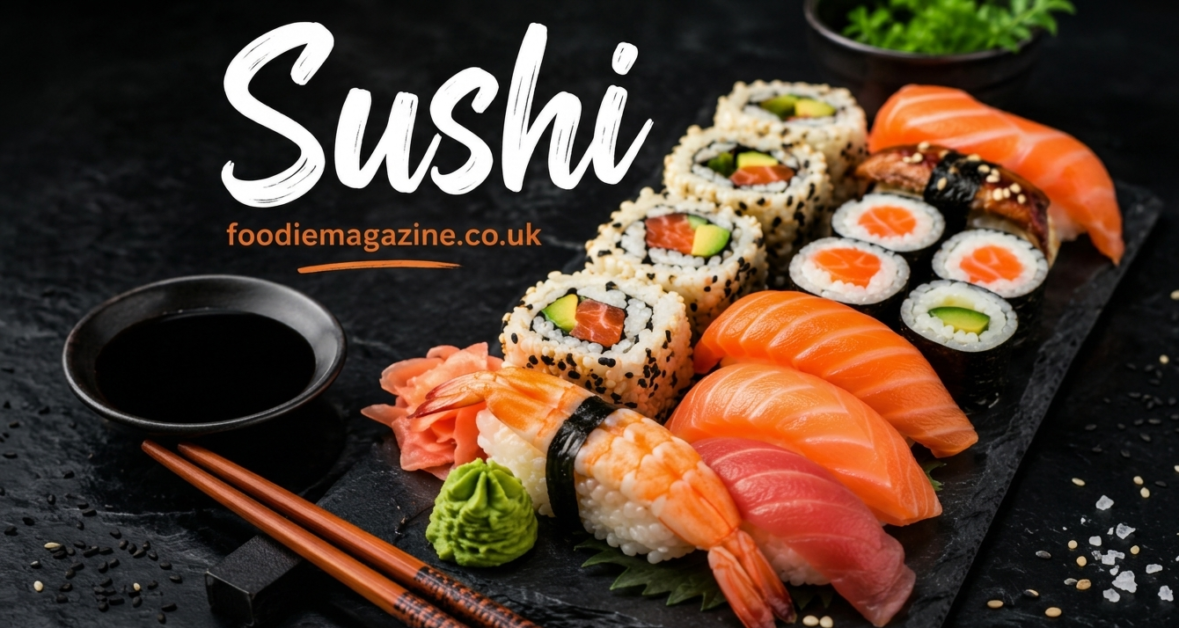
Sushi has become one of the most loved foods in the world, yet many people still feel confused when they look at a sushi menu for the first time. Some people think sushi is only raw fish, while others worry about taste, ingredients, or how it is prepared. What it means is that sushi carries both excitement and mystery at the same time. This food combines fresh ingredients, careful preparation, artistic presentation, and deep cultural history into one unique experience. Sushi is not simply a quick meal because it represents tradition, skill, balance, and creativity. As more restaurants continue to open around the world, people want to understand why sushi became so popular and how they can enjoy it confidently. Learning about sushi helps remove fear and builds curiosity, especially for beginners who want to explore new flavors in a simple and enjoyable way.
What Sushi Really Means
Many people believe sushi means raw fish, but that idea is incomplete because sushi actually refers to vinegared rice combined with different ingredients. What it means is that the rice plays the most important role in sushi preparation. Fish can be included, yet sushi may also contain vegetables, eggs, shrimp, tofu, or cooked meat. The balance between flavor, texture, and freshness creates the real sushi experience. Sushi chefs spend years learning how to prepare rice correctly because even small mistakes can change the overall taste. This dish focuses on harmony between ingredients rather than using heavy sauces or spices. As a result, sushi offers a clean and refreshing flavor that feels very different from many fast foods. People who understand this basic definition often become more open to trying sushi because they realize there are many styles available for different tastes and preferences.
The Ancient Origin Of Sushi
The history of sushi goes back hundreds of years and began as a method for preserving fish before refrigerators existed. Early communities in Asia used fermented rice to store fish safely for long periods. Over time, Japanese culture improved and transformed this preservation method into the sushi people recognize today. What it means is that sushi evolved slowly through experimentation, cultural traditions, and changing food habits. During the Edo period in Japan, sushi became faster to prepare and easier to sell in busy cities. Street vendors started offering fresh sushi to workers who needed quick meals, and this helped sushi spread throughout Japanese society. Eventually, sushi became a respected culinary art admired around the world. Understanding this background helps people appreciate sushi more deeply because every piece carries centuries of cultural history, creativity, and refinement.
Sushi And Japanese Culture
Sushi is deeply connected to Japanese culture because it reflects values such as patience, simplicity, discipline, and respect for ingredients. Japanese chefs often train for years before serving customers independently because sushi preparation requires precision and consistency. What it means is that sushi is treated almost like an art form rather than ordinary cooking. The appearance of sushi matters greatly because visual beauty increases the eating experience. Seasonal ingredients also play an important role because freshness is highly respected in Japanese cuisine. Sushi restaurants often create calm and peaceful environments that encourage people to slow down and enjoy each bite carefully. This cultural connection explains why sushi feels special compared to many other foods. Even outside Japan, sushi restaurants try to maintain some traditional customs to preserve authenticity and respect the origins of this famous dish.
Important Ingredients Used In Sushi
Sushi uses simple ingredients, but each one must be fresh and carefully prepared to achieve the right flavor and texture. Sushi rice is the foundation because chefs season it with vinegar, sugar, and salt to create a balanced taste. Seaweed called nori wraps many sushi rolls and adds a slightly salty flavor. Fish such as salmon, tuna, and eel are common choices, although vegetables like cucumber, avocado, and carrots are also popular. What it means is that sushi can satisfy both seafood lovers and vegetarians. Soy sauce, wasabi, and pickled ginger are often served alongside sushi to improve flavor and cleanse the palate between bites. Every ingredient has a purpose and contributes to the complete experience. High-quality ingredients are essential because sushi depends on freshness rather than strong seasoning to impress customers.
Different Types Of Sushi
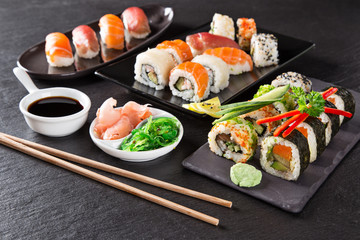
Sushi comes in many forms, and each style offers a unique experience for diners. Nigiri consists of hand-pressed rice topped with fish or seafood, while maki includes rolled sushi wrapped in seaweed. Temaki appears as cone-shaped hand rolls filled with ingredients, and chirashi places fish and vegetables over a bowl of sushi rice. What it means is that sushi is far more diverse than most beginners expect. Some sushi contains raw fish, but many varieties use cooked seafood or vegetables instead. Modern sushi restaurants also create fusion rolls with creative combinations that appeal to local tastes around the world. This variety helps sushi attract millions of fans because there is usually something suitable for every preference. Exploring different types of sushi makes the dining experience more exciting and educational for people who enjoy trying new foods.
How Sushi Rice Is Prepared
The preparation of sushi rice requires patience and precision because rice quality strongly affects the final result. Chefs first wash the rice carefully to remove extra starch before cooking it with the correct amount of water. After cooking, they mix the rice with vinegar seasoning while cooling it gently to maintain texture and shine. What it means is that sushi rice must feel soft yet slightly firm at the same time. If the rice becomes too sticky or too dry, the sushi loses balance and quality. Experienced chefs understand how temperature and moisture affect flavor, which is why sushi rice preparation is considered a specialized skill. Many people underestimate the importance of rice because they focus only on fish or fillings. However, sushi experts know that perfectly prepared rice creates the foundation for excellent sushi.
The Art Of Sushi Making
Making sushi combines technical skill with artistic creativity because chefs must prepare ingredients carefully while presenting them beautifully. Sushi chefs train extensively to master knife techniques, rice handling, ingredient pairing, and presentation styles. What it means is that sushi preparation requires much more than simply rolling ingredients together. Every cut of fish must be clean and precise to preserve texture and flavor. Chefs also focus on color balance and arrangement because attractive presentation improves the overall dining experience. In many restaurants, customers enjoy watching chefs prepare sushi because the process itself feels entertaining and impressive. This artistic element explains why sushi has gained respect worldwide as both food and cultural craftsmanship. Skilled sushi chefs often become highly admired professionals due to the discipline and dedication needed to perfect their craft.
Why Freshness Matters In Sushi
Freshness is one of the most important parts of sushi because the dish depends heavily on natural flavors rather than strong spices or cooking methods. Fish must remain cold and properly stored to maintain safety and taste. Vegetables should feel crisp, while rice must stay soft and balanced. What it means is that every ingredient needs careful attention from preparation to serving. Sushi restaurants often buy ingredients daily to ensure quality remains high. Customers can usually notice freshness through texture, smell, and appearance. Fresh sushi tastes light, clean, and satisfying, while poor-quality sushi feels unpleasant and unsafe. This strong focus on freshness has helped sushi build a reputation for quality and care around the world. People who experience fresh sushi often understand immediately why this food became so respected internationally.
Sushi Etiquette And Dining Habits
Eating sushi involves certain customs and traditions that help improve the overall dining experience. Many people use chopsticks, although eating sushi with clean hands is also acceptable in some settings. Soy sauce should be used carefully because too much can overpower delicate flavors. What it means is that sushi encourages balance and appreciation rather than excess. Pickled ginger is traditionally eaten between different sushi pieces to refresh the palate. In high-end sushi restaurants, chefs may even recommend the order for eating certain dishes to maximize flavor enjoyment. Respectful dining behavior reflects the cultural roots of sushi and helps diners feel more connected to the experience. Learning simple etiquette also increases confidence for beginners who may feel nervous when visiting sushi restaurants for the first time.
Sushi Around The World
Sushi started in Japan, but it has become a global food trend enjoyed across many countries and cultures. Restaurants worldwide have created local versions that reflect regional tastes and ingredients. In some places, sushi rolls include cream cheese, fried shrimp, spicy sauces, or tropical fruits. What it means is that sushi continues evolving while keeping its traditional foundation. This flexibility has helped sushi attract people who may not enjoy traditional Japanese flavors. Fast-food sushi, luxury sushi bars, and supermarket sushi now exist in many cities around the world. Social media also increased sushi popularity because colorful sushi designs look visually appealing in photos and videos. The worldwide growth of sushi shows how food can connect cultures and inspire creativity through shared dining experiences.
Health Benefits Of Sushi
Many people choose sushi because it can provide several health benefits when prepared with fresh and balanced ingredients. Fish used in sushi often contains omega-three fatty acids that support heart and brain health. Vegetables add vitamins, minerals, and fiber, while seaweed provides nutrients such as iodine. What it means is that sushi can be both delicious and nutritious when eaten responsibly. Sushi usually feels lighter than fried or heavily processed foods, which appeals to health-conscious individuals. Portion control also becomes easier because sushi pieces are often served in small amounts. However, people should still pay attention to sauces, fried ingredients, and sodium levels because some modern sushi rolls contain extra calories. Overall, sushi offers a healthier alternative compared to many fast-food meals available today.
Common Misunderstandings About Sushi
Many misunderstandings about sushi prevent people from trying it for the first time. Some individuals believe all sushi contains raw fish, while others assume sushi always tastes strange or unsafe. What it means is that fear often comes from limited information rather than real experience. In reality, many sushi dishes include cooked ingredients such as shrimp, crab, egg, or vegetables. Some people also think sushi is extremely expensive, although affordable options are available in many places. Another misunderstanding involves wasabi because beginners sometimes use too much and overpower the meal. Learning accurate information about sushi helps people feel more comfortable exploring different styles and flavors. Once these myths disappear, many first-time diners discover that sushi feels enjoyable, approachable, and surprisingly satisfying.
Sushi In Modern Restaurants
Modern sushi restaurants combine tradition with innovation to create unique dining experiences for customers. Some restaurants focus on authentic Japanese techniques, while others experiment with fusion flavors and creative presentation. Conveyor belt sushi restaurants offer affordable and fast dining, while luxury sushi bars provide premium ingredients and personalized service. What it means is that sushi now exists in many forms suitable for different budgets and lifestyles. Technology has also improved restaurant operations through online ordering, digital menus, and automated systems. Some chefs even use modern food science techniques to develop new textures and flavor combinations. Despite these changes, the core idea of freshness and balance remains central to sushi culture. Modern restaurants continue helping sushi reach new audiences worldwide through convenience and creativity.
Real World Example Of Sushi In Business
Imagine a busy business district where workers need meals that are quick, healthy, and satisfying during lunch breaks. A sushi restaurant opens nearby and immediately attracts office employees because sushi offers convenience without feeling heavy or unhealthy. What it means is that sushi fits modern lifestyles where people value speed and wellness together. The restaurant introduces lunch boxes, takeaway options, and online delivery services to meet customer needs efficiently. Soon, nearby companies start ordering sushi for meetings and corporate events because it feels professional and visually appealing. This imaginary example shows how sushi can succeed commercially by adapting to modern consumer habits. Businesses often benefit from sushi because it combines strong branding opportunities with growing demand for healthier food choices.
Sushi And Technology
Technology is changing the sushi industry in many interesting ways because restaurants now use advanced systems to improve efficiency and customer experience. Automated conveyor belts help serve food quickly, while digital ordering systems reduce mistakes and waiting times. Some restaurants use artificial intelligence to predict customer preferences and manage ingredient supplies more effectively. What it means is that technology helps sushi businesses operate smarter and reduce waste. Delivery applications have also increased sushi accessibility because customers can enjoy restaurant-quality meals at home. Social media platforms encourage restaurants to create visually impressive sushi that attracts online attention. Even robotics may eventually assist with simple sushi preparation tasks in busy restaurants. These innovations demonstrate how traditional foods can evolve successfully within modern technological environments.
Challenges Facing The Sushi Industry
Although sushi remains highly popular, the industry faces several realistic challenges that affect restaurants, suppliers, and consumers. Fresh seafood can become expensive due to environmental issues, overfishing, and transportation costs. Maintaining food safety standards also requires strict training and careful handling procedures. What it means is that sushi businesses must balance quality, affordability, and sustainability at the same time. Competition between restaurants continues increasing as sushi becomes more common worldwide. Some consumers also misunderstand sushi culture and expect unrealistic prices or portions. Climate change may further affect seafood availability in the future. These challenges force the sushi industry to innovate continuously while protecting traditional values and maintaining customer trust.
Sustainability And Responsible Sushi
Sustainability has become an important topic in the sushi world because seafood resources must be protected for future generations. Some fish populations have decreased due to overfishing, which creates concerns for environmental organizations and consumers alike. What it means is that responsible sushi practices matter more than ever before. Many restaurants now choose sustainable seafood suppliers and reduce waste through better inventory management. Customers also pay closer attention to where ingredients come from and how they are sourced. Plant-based sushi options are growing in popularity because they reduce pressure on marine ecosystems. Sustainable sushi practices help protect oceans while allowing future generations to continue enjoying this beloved food tradition. Responsible choices benefit both the environment and the long-term future of the sushi industry.
Sushi For Beginners
Trying sushi for the first time can feel intimidating, but beginners can enjoy the experience more easily by starting with simple options. Cooked rolls containing shrimp, crab, or vegetables often feel approachable for new diners. What it means is that nobody needs to begin with raw fish immediately. Beginners should focus on tasting different textures and flavors slowly without pressure. Watching sushi chefs or asking restaurant staff for recommendations can also increase confidence. Soy sauce and wasabi should be used lightly to avoid overpowering natural flavors. Exploring sushi gradually allows people to discover personal preferences and build appreciation naturally. Many experienced sushi fans started with basic rolls before becoming adventurous eaters over time.
Future Predictions For Sushi
The future of sushi looks exciting because innovation, artificial intelligence, and global food trends continue shaping the industry rapidly. Restaurants may use advanced AI systems to customize menus based on customer preferences and health goals. Sustainable seafood alternatives created through food technology could become more common in the coming years. What it means is that sushi may evolve while preserving its essential identity. Virtual reality dining experiences and robotic assistance may also appear in modern sushi restaurants. Delivery systems could become faster and more efficient through automation and smart logistics. At the same time, traditional sushi craftsmanship will likely remain respected because human creativity and cultural authenticity still matter greatly to customers. The combination of tradition and innovation will probably define the future success of sushi worldwide.
Why Sushi Continues To Inspire People
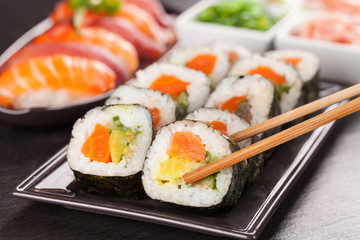
Sushi continues inspiring people because it represents more than just food. It combines culture, artistry, freshness, discipline, and creativity into one meaningful experience. What it means is that sushi creates emotional connections alongside physical satisfaction. Many people admire the precision and dedication involved in sushi preparation, while others enjoy discovering new flavors and dining traditions. Sushi also encourages mindfulness because diners often slow down and appreciate each bite carefully. Families, friends, and coworkers frequently gather around sushi meals to share experiences together. This emotional and social connection explains why sushi remains popular across generations and cultures. People see sushi not only as a meal but also as an experience worth remembering and sharing.
Conclusion
Sushi has traveled an incredible journey from ancient preservation methods to becoming one of the most recognized foods in the modern world. Its popularity continues growing because sushi offers freshness, creativity, beauty, and cultural depth all in one experience. What it means is that sushi connects tradition with modern lifestyles in a way few foods can achieve. Although challenges such as sustainability and rising costs exist, innovation and responsible practices continue shaping a strong future for the sushi industry. People who take time to understand sushi often discover much more than fish and rice because they experience craftsmanship, history, and global connection. Sushi reminds us that simple ingredients can create something truly meaningful when combined with care, patience, and creativity.
FAQs About Sushi
Is sushi always raw fish
No, many sushi types use cooked seafood, vegetables, or eggs instead of raw fish.
Is sushi healthy
Sushi can be healthy because it often contains fish, vegetables, and balanced ingredients.
What drink goes well with sushi
Green tea, water, and light beverages usually pair well with sushi meals.
Can beginners enjoy sushi
Yes, beginners can start with simple cooked rolls and mild flavors.
Why is sushi popular worldwide
People enjoy sushi because it combines freshness, creativity, health benefits, and cultural experience.