
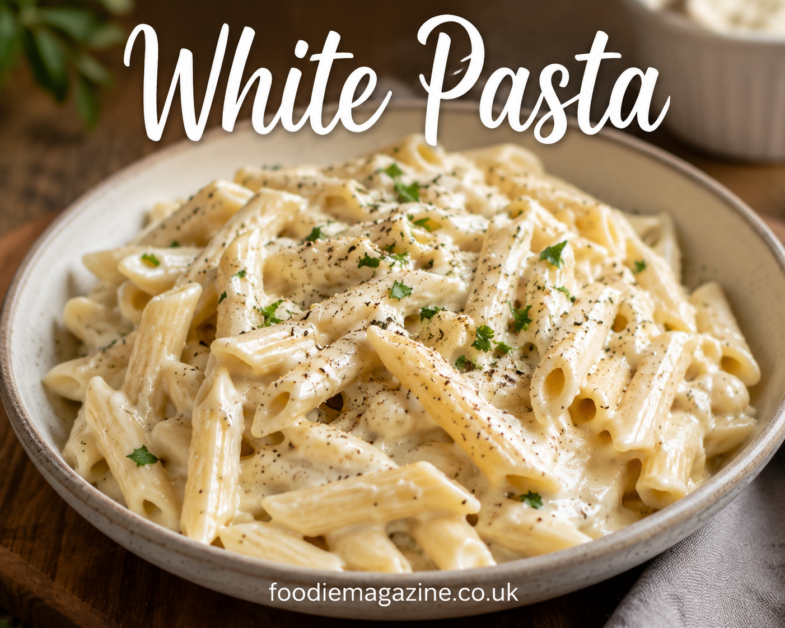
White Pasta is quick, creamy, and satisfying, and a smooth, rich, and comforting dish that feels special without requiring complicated cooking methods. It has become a favorite in homes, cafés, and restaurants because it combines simple ingredients into something memorable. What makes White Pasta interesting is that two people can prepare it with nearly the same ingredients and still create completely different flavors and textures. That curiosity makes this dish worth exploring. White Pasta is more than a meal because it shows how simple cooking techniques can create impressive results while remaining easy enough for beginners to enjoy.
What White Pasta Means in Simple Words
White Pasta is a pasta dish prepared with a creamy white sauce instead of tomato-based sauces. The sauce usually contains milk, butter, flour, cream, cheese, garlic, and seasonings that coat cooked pasta until every bite becomes rich and smooth. What it means is that White Pasta focuses on softness, creaminess, and balance rather than strong acidity or spicy flavors. People often choose White Pasta when they want comfort food that feels warm and filling. The dish can also be changed in endless ways by adding vegetables, chicken, seafood, herbs, or different cheeses, which makes it flexible for many tastes and occasions.
The Origin and Background of White Pasta
The story of White Pasta connects to European cooking traditions where creamy sauces became popular centuries ago. Italian cooking influenced many of the pasta styles people enjoy today, although modern White Pasta has developed into many versions around the world. Traditional creamy pasta dishes slowly evolved as ingredients became easier to access and cooking styles changed. Over time, cooks discovered that combining butter, dairy, and pasta created a smooth texture that people loved. Restaurants later introduced richer versions with cheese and herbs, and home cooks adapted them to local tastes. Today, White Pasta exists in countless forms and continues to grow in popularity across cultures.
Why White Pasta Became So Popular
White Pasta became popular because it delivers comfort, simplicity, and flavor at the same time. Unlike meals that require many complex ingredients, White Pasta often uses items already found in most kitchens. The creamy texture appeals to both children and adults, and the mild flavor allows endless customization. Another reason for its popularity is speed because people can prepare it in a short time while still creating something that feels complete. Social media, cooking videos, and food culture also helped White Pasta become a recognizable and loved dish in many parts of the world.
The Main Ingredients That Create White Pasta
The beauty of White Pasta comes from a small group of ingredients working together. Pasta provides the structure and absorbs the sauce. Butter creates richness and supports flavor development. Flour helps thicken the sauce and gives it body. Milk or cream creates the signature white appearance and smooth texture. Cheese adds depth and softness, while garlic introduces aroma and character. Seasonings such as black pepper, oregano, and herbs bring balance. What it means is that White Pasta does not depend on one magical ingredient but instead relies on careful combinations that create harmony.
Understanding the Different Types of Pasta Used
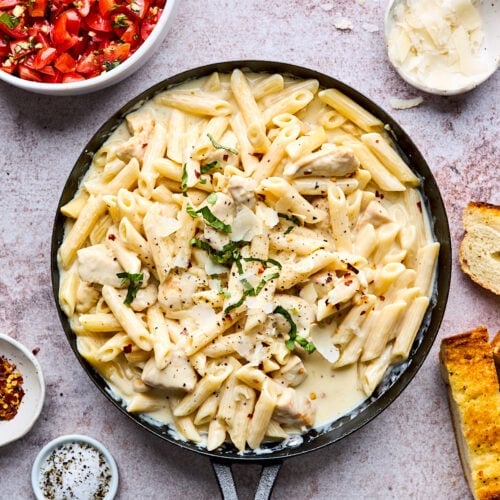
White Pasta can be prepared with many pasta shapes, and each shape changes the eating experience. Penne holds sauce inside its tubes and creates balanced bites. Fettuccine provides long strands that absorb creamy textures beautifully. Fusilli traps sauce in its spirals and creates rich flavor in every mouthful. Spaghetti offers a smoother eating experience, while macaroni creates a softer and more familiar texture. The type of pasta affects how the sauce spreads, which means choosing the right shape becomes an important part of creating excellent White Pasta.
How White Sauce Works Inside White Pasta
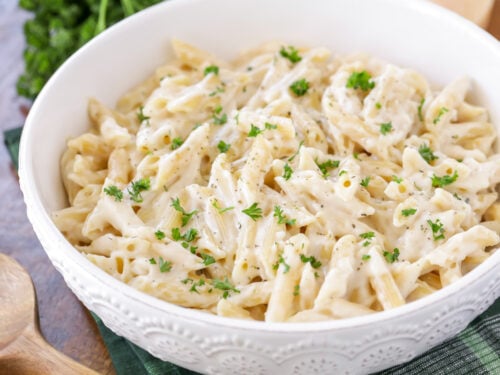
The white sauce is the heart of White Pasta because it transforms ordinary ingredients into something creamy and rich. First, butter melts and combines with flour to create a smooth base. Then milk slowly enters while continuous mixing prevents lumps. Heat activates the thickening process until the sauce becomes silky. Cheese often melts into the mixture and increases depth and richness. Finally, seasonings complete the flavor profile. What it means is that White Pasta depends more on cooking technique than expensive ingredients.
Step by Step Process of Making White Pasta
Preparing White Pasta follows a logical process that anyone can learn. Pasta cooks separately in salted water until tender. Meanwhile, the sauce develops in another pan through controlled heat and gradual mixing. Once the sauce reaches the correct consistency, cooked pasta combines with it so every piece becomes coated evenly. Extra ingredients such as vegetables or proteins join near the end to maintain texture and freshness. This process shows that White Pasta rewards patience and attention rather than complicated culinary skills.
Common Mistakes People Make When Cooking White Pasta
Many White Pasta problems happen because of small mistakes that affect texture and flavor. Overcooked pasta becomes soft and loses structure. Sauce cooked too quickly may separate or become grainy. Adding cheese at very high temperatures can create clumps instead of smooth creaminess. Using too much flour produces heaviness, while too little creates watery sauce. Another common mistake is forgetting seasoning because creamy foods need balance. Learning these details helps cooks create better White Pasta consistently.
The Science Behind Creamy Texture
White Pasta appears simple, but several cooking principles work together behind the scenes. Heat changes the structure of dairy and thickening ingredients. Fat molecules distribute flavor throughout the sauce and create smooth mouthfeel. Starch from flour and pasta water supports consistency and prevents separation. Cheese contributes proteins that affect thickness and texture. What it means is that White Pasta demonstrates how everyday cooking includes science that influences every bite.
White Pasta Variations Around the World
Different countries and regions have created unique versions of White Pasta based on local ingredients and food traditions. Some recipes use extra cheese for deeper richness while others focus on herbs and lighter sauces. Certain places include seafood, while others prefer grilled vegetables or meat. Some versions use cream heavily, while others depend mostly on milk and butter. These variations show that White Pasta adapts easily while maintaining its creamy identity.
Imaginary Family Dinner Example Using White Pasta
Imagine a family arriving home after a busy day and needing something satisfying without spending hours in the kitchen. One person boils pasta while another prepares the white sauce and someone else cuts vegetables. Within a short time, everyone sits together enjoying a meal that feels comforting and homemade. In this situation, White Pasta becomes more than food because it creates convenience and shared moments around the table.
White Pasta in Restaurant and Food Business Settings
Restaurants often include White Pasta because it appeals to a broad audience and allows creative presentation. Chefs adjust ingredients to match customer preferences and seasonal menus. Food businesses value White Pasta because ingredients are manageable and preparation can remain efficient. Premium versions may include specialty cheeses or unique herbs while simpler versions focus on consistency and speed. This flexibility helps White Pasta remain popular in commercial food environments.
Health and Nutrition Considerations
White Pasta can fit different eating styles depending on ingredient choices and portion sizes. Traditional versions contain carbohydrates, dairy, and fats that provide energy and satisfaction. Lighter versions may use reduced cream or more vegetables. Protein additions such as chicken can create better balance. What it means is that White Pasta is not automatically unhealthy because the final nutritional profile depends on preparation decisions and serving habits.
Benefits of Eating White Pasta
One major advantage of White Pasta is comfort because creamy foods often create feelings of warmth and satisfaction. Another benefit is flexibility since ingredients can be adjusted easily. White Pasta also works well for quick meals, family gatherings, and special occasions. The dish allows beginners to practice cooking while offering experienced cooks opportunities for creativity. Its broad appeal makes it useful for many lifestyles and situations.
White Pasta for Different Age Groups
White Pasta works across generations because its mild and creamy flavor appeals to different tastes. Children often enjoy the smooth texture and simple flavor profile. Teenagers appreciate its filling nature and customization options. Adults value its convenience and variety. Older individuals may prefer softer pasta and lighter sauces. This broad appeal explains why White Pasta continues to appear in homes around the world.
Challenges and Limitations of White Pasta
Although White Pasta offers many advantages, it also presents challenges. The richness can feel heavy if portions become too large. Some people avoid dairy ingredients or prefer lighter meals. Achieving perfect sauce consistency requires attention and practice. Storage may affect texture because creamy sauces sometimes thicken after refrigeration. Understanding these limitations helps cooks prepare better versions and enjoy the dish more effectively.
White Pasta and Modern Food Trends
Modern eating habits continue to influence how White Pasta evolves. Many cooks experiment with plant-based ingredients, alternative dairy options, and lighter sauces. Others focus on premium ingredients and restaurant-style presentation at home. Social media has encouraged visual creativity and introduced new combinations that attract attention. White Pasta continues changing while preserving its comforting and creamy identity.
The Role of Technology and AI in the Future of White Pasta
Technology is changing cooking in interesting ways, and White Pasta may continue evolving through smart kitchens and food innovation. AI-powered recipe systems can suggest ingredient substitutions and personalize portions. Smart appliances can control cooking temperatures more precisely and reduce mistakes. Food science may create improved textures and healthier alternatives. What it means is that even traditional dishes like White Pasta can become more convenient and adaptable through innovation.
Creative Ways to Serve White Pasta
Presentation changes how people experience White Pasta. Fresh herbs can add color and freshness while roasted vegetables create contrast. Cheese toppings increase richness and visual appeal. Different bowls and plating styles influence perception and enjoyment. Serving White Pasta with simple sides creates complete meals without overwhelming the main dish. Small details often make the biggest difference.
Why White Pasta Continues to Stay Relevant
Food trends change quickly, yet White Pasta remains popular because it delivers something timeless. People continue searching for meals that combine simplicity, comfort, and flexibility. White Pasta adapts to changing preferences while keeping its creamy foundation. New ingredients and techniques expand possibilities without removing what makes the dish enjoyable. This balance keeps White Pasta relevant year after year.
Conclusion
White Pasta proves that simple ingredients can create memorable experiences when combined thoughtfully. From its origins and creamy sauce to modern variations and future possibilities, the dish continues to attract people who want comfort and flavor in one meal. It works for everyday dinners, restaurant menus, and creative cooking experiments. What makes White Pasta special is not only the taste but also the freedom it gives cooks to make something personal and enjoyable. Every plate offers a chance to create warmth, satisfaction, and connection through food.
FAQs
What is White Pasta made of
White Pasta is usually made with pasta, butter, milk or cream, cheese, flour, and seasonings.
Is White Pasta healthy
It can be balanced depending on ingredients, portion size, and added vegetables or protein.
Can White Pasta be made without cheese
Yes, the sauce can remain creamy using milk, butter, and seasoning.
Which pasta shape works best for White Pasta
Penne and fettuccine are popular because they hold sauce well.
Can White Pasta be prepared in advance
Yes, but reheating gently helps maintain smooth texture.