
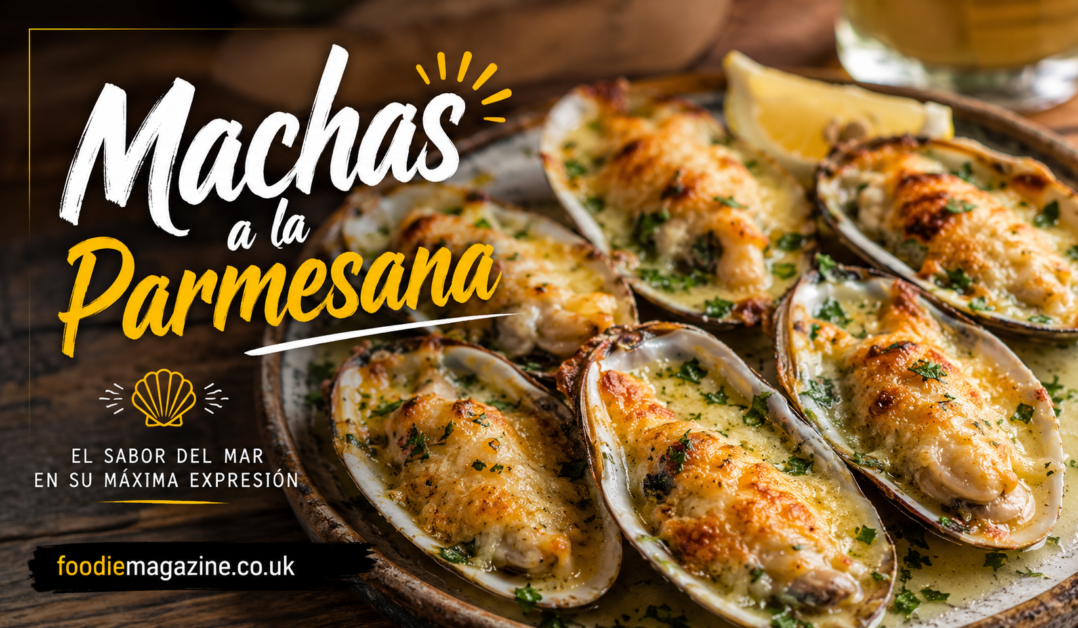
machas a la parmesana is a baked seafood dish made with a Chilean razor clam known as macha. The clams are placed in their shells, topped with butter, sometimes a splash of white wine, and covered with grated parmesan cheese. Then they’re broiled until golden and bubbling.
Simple ingredients. Big flavor.
What makes it stand out is the balance:
- Sweet brininess from the clams
- Rich fat from butter
- Sharp saltiness from parmesan
- A slight acidity from wine or lemon
It’s coastal cooking done right—minimal interference, maximum taste.
In Chile, this dish is often served as a starter in seafood restaurants along the coast, especially in places like Valparaíso and coastal seafood markets.
The Story Behind Machas a la Parmesana
Food always has a backstory, even when it seems simple.
Machas are native to the Pacific coast of South America, especially Chile. For generations, coastal communities have harvested them from sandy beaches. They’re deeply tied to Chilean culinary identity.
The parmesan twist is where things get interesting.
Some food historians say the dish reflects European influence on Chilean cuisine, especially Italian immigrants who brought cheese-based baking traditions. Others argue it’s simply a natural evolution—because once you put seafood and butter in a hot oven, someone is eventually going to add cheese.
Either way, what we get today is a hybrid: coastal Chile meets European comfort cooking.
And honestly, it works beautifully.
Why This Dish Works So Well
There’s a reason machas a la parmesana feels luxurious even though it uses basic ingredients.
1. Umami overload
The combination of seafood and parmesan hits deep savory notes. Your brain reads it as rich and satisfying.
2. Contrast in textures
Soft clam meat, melted cheese, slightly crispy edges—it keeps every bite interesting.
3. Minimal seasoning needed
The ocean already does most of the work. You’re just enhancing what’s already there.
4. Fast cooking time
From oven to plate in under 10 minutes. That’s rare for something this flavorful.
Ingredients You Actually Need
Let’s keep this practical. No fancy substitutions, no overthinking.
Core ingredients:
- Fresh machas (razor clams)
- Unsalted butter
- Dry white wine (optional but recommended)
- Freshly grated parmesan cheese
- Lemon (for serving)
Optional but helpful:
- Garlic (for a deeper flavor base)
- Parsley (for freshness)
- Chili flakes (if you like heat)
The key here is freshness. If the clams aren’t good, nothing else will save the dish.
Step-by-Step Recipe for Machas a la Parmesana
This is where most people either nail it or overcomplicate it. Let’s keep it clean.
Step 1 – Clean the machas properly
Rinse them thoroughly under cold water. Sand is your enemy here. If needed, let them sit in salted water for a short time so they release grit.
Step 2 – Open and arrange
Carefully open the clams and place each one back into its shell. Arrange them on a baking tray. Think of it as setting the stage.
Step 3 – Add butter and wine
Drop a small piece of butter on each clam. If using wine, a few drops per shell is enough. Don’t drown them.
Step 4 – Cheese layer
Cover each macha generously with grated parmesan. This is where the magic starts building.
Step 5 – Broil quickly
Place under a high grill or broiler at around 220°C (425°F). Cook for 5–8 minutes max. Watch closely. The moment the cheese turns golden, you’re done.
Step 6 – Serve immediately
Finish with lemon juice and serve hot. No waiting. This dish loses magic when it sits.
Common Mistakes People Make
Let’s be honest—this recipe is easy to mess up if you’re careless.
Overcooking the clams
They turn rubbery fast. This is the number one mistake.
Using low-quality cheese
Pre-grated powder cheese won’t melt properly or taste right. Fresh parmesan matters.
Too much liquid
Wine is a flavor enhancer, not a soup base.
Ignoring freshness
If the seafood isn’t fresh, the whole dish falls apart.
Expert Tips for Better Flavor
Here’s where experience matters more than the recipe itself.
Tip 1: Dry the shells slightly
Too much water weakens the cheese crust.
Tip 2: Add garlic butter infusion
Melt butter with crushed garlic before topping. It changes everything.
Tip 3: Use a hot oven, not a slow bake
You want a quick blast of heat, not gentle cooking.
Tip 4: Serve on heated plates
It keeps the texture intact longer.
What to Serve With Machas a la Parmesana
This dish doesn’t need much, but pairing matters.
Best pairings:
- Crisp white wine (Sauvignon Blanc works well)
- Light green salad with citrus dressing
- Crusty bread to soak up juices
- Grilled vegetables for balance
Avoid heavy sides. They overpower the dish.
Cultural Importance in Chile
In Chile, seafood isn’t just food—it’s part of identity.
Machas a la parmesana is commonly found in coastal restaurants and seafood markets. It represents how Chilean cuisine blends simplicity with bold flavor.
You’ll often find it served as a starter before larger seafood plates like grilled fish or ceviche. It sets the tone for a meal that’s rooted in the ocean.
In many ways, it’s also a “special occasion” dish. Not because it’s expensive, but because it feels like something worth slowing down for.
Variations You Can Try at Home
Once you understand the base recipe, you can experiment a little.
1. Spicy version
Add chili flakes or fresh chopped chili before baking.
2. Garlic-heavy version
Increase garlic butter for a deeper, richer flavor.
3. Herb version
Top with parsley or cilantro after baking for freshness.
4. Smoky twist
Add a tiny bit of smoked paprika before broiling.
Each version keeps the soul of the dish intact while changing the personality slightly.
Nutritional Perspective (Simple Breakdown)
Without turning this into a diet lecture, here’s what you’re actually eating:
- High-quality protein from clams
- Healthy fats from butter
- Calcium and salt from parmesan
- Low carbohydrate content
It’s rich, yes—but also surprisingly balanced when eaten in moderation.
Why People Love It So Much
There’s something almost addictive about machas a la parmesana.
Maybe it’s the contrast of textures. Maybe it’s the way cheese and seafood shouldn’t logically work together—but do. Or maybe it’s just the simplicity of it all.
You don’t need culinary training to enjoy it. You just need good ingredients and a hot oven.
That’s it.
Conclusion
Machas a la parmesana isn’t trying to impress you with complexity. It wins you over with honesty.
It’s a dish that respects its ingredients. It doesn’t hide them or overwork them. It just brings them together at the right temperature, at the right moment, and lets them do what they naturally do best.
If you cook it once, you’ll understand why it’s been loved for so long along the Chilean coast.
And if you get it right, you won’t need a recipe the second time—you’ll just remember the feeling.
FAQs About Machas a la Parmesana
1. What are machas exactly?
Machas are a type of razor clam found mainly on the Pacific coast of South America, especially Chile.
2. Can I substitute machas with other shellfish?
Yes, but the flavor changes. Scallops or clams can work, though the texture won’t be identical.
3. Do I need white wine in the recipe?
Not required, but it adds depth and balances the richness of the cheese.
4. How do I know when they are done cooking?
The cheese will be golden and bubbling, and the clams should look just cooked—not shriveled.
5. Can I prepare them in advance?
You can prep ingredients, but bake them right before serving for best results.
Read also: Best Ensalada de Garbanzos Near Me Fresh Chickpea Salads