
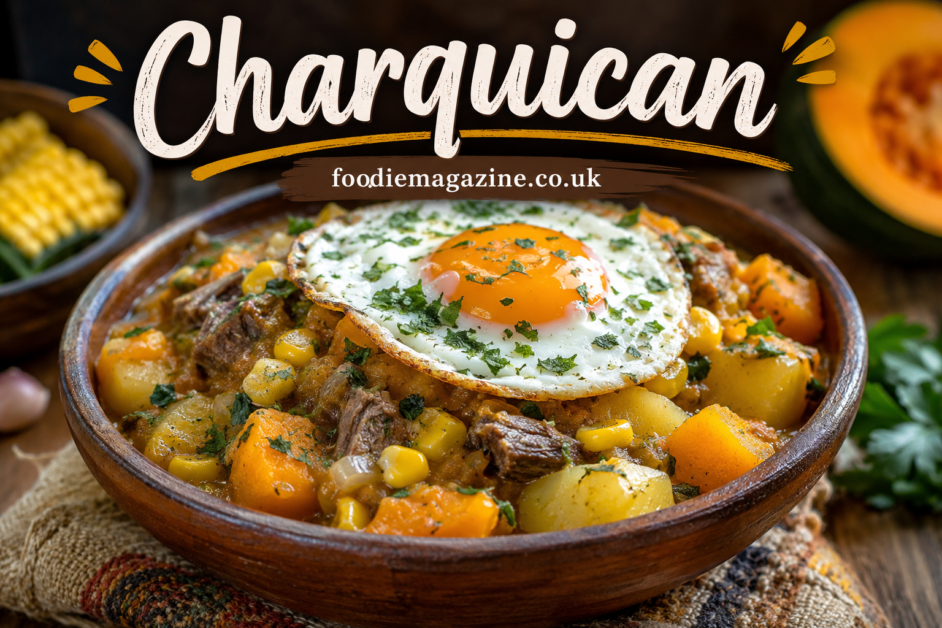
Charquican is a traditional Chilean stew made primarily from potatoes, squash, onions, corn, and meat. The ingredients are cooked until tender and partially mashed together, creating a thick and rustic texture.
Historically, the dish was prepared using charqui, a form of dried meat from which the name charquican originates. Over time, fresh beef became a common substitute, although some traditional recipes still incorporate dried meat.
The result is a comforting, flavorful meal that reflects Chile’s agricultural abundance and culinary heritage.
The Origin of Charquican
Indigenous Roots
The origins of charquican can be traced to the Indigenous peoples of the Andes. Long before European colonization, native communities preserved meat through drying techniques that allowed food to remain edible for extended periods.
This dried meat, known as charqui, became an essential food source for travelers and communities living in remote regions. Combined with locally grown vegetables, it formed the basis of what would eventually become charquican.
Spanish Influence
When Spanish settlers arrived in South America, they introduced new ingredients and cooking methods. As cultures merged, traditional Indigenous dishes evolved.
Charquican emerged as a fusion of native preservation techniques and European culinary influences. The dish adapted over generations while maintaining its core identity as a practical and nourishing meal.
Evolution Through the Centuries
Today, charquican continues to evolve. Modern recipes may include different vegetables, seasonings, or protein options, but the spirit of the dish remains unchanged. It is still recognized as one of Chile’s most cherished comfort foods.
Why Charquican Is So Popular
Affordable Ingredients
One reason for charquican’s enduring popularity is its accessibility. Most ingredients are inexpensive and readily available.
Families can prepare a large pot using basic pantry staples and seasonal vegetables, making it an economical meal.
Comforting Flavor
The combination of tender vegetables and savory meat creates a rich, satisfying taste that appeals to people of all ages.
The natural sweetness of squash balances the earthiness of potatoes and the savory notes of beef.
Versatility
Charquican can easily be adapted based on personal preferences or available ingredients.
Some households add peas, carrots, green beans, or paprika, while others keep the recipe simple and traditional.
Traditional Ingredients in Charquican
Although recipes vary, several ingredients are considered essential.
Potatoes
Potatoes provide the dish’s hearty foundation and help create its characteristic texture.
Squash or Pumpkin
Squash contributes natural sweetness and creaminess, balancing the savory flavors.
Beef or Charqui
Traditional versions often use dried meat, while modern recipes typically feature ground or shredded beef.
Onion
Onions add depth and aromatic flavor.
Corn
Corn introduces texture and subtle sweetness.
Garlic
Garlic enhances the overall flavor profile.
Seasonings
Common seasonings include:
- Salt
- Black pepper
- Paprika
- Cumin
- Oregano
How Charquican Is Traditionally Prepared
Preparing charquican is relatively straightforward.
Step 1: Cook the Meat
The meat is sautéed with onions and garlic until browned and fragrant.
Step 2: Add Vegetables
Potatoes, squash, corn, and other vegetables are added to the pot.
Step 3: Simmer
The ingredients simmer together until tender.
Step 4: Mash Lightly
Unlike smooth soups, charquican retains texture. The vegetables are partially mashed while leaving some chunks intact.
Step 5: Season and Serve
The stew is seasoned to taste and often topped with a fried egg.
The Famous Fried Egg Topping
One of the most beloved ways to serve charquican is with a fried egg placed on top.
The runny yolk mixes into the stew, adding richness and creating an even more satisfying meal.
Many Chileans consider the egg an essential finishing touch rather than an optional garnish.
Regional Variations of Charquican
Like many traditional dishes, charquican varies from region to region.
Northern Chile
Northern versions may incorporate local ingredients influenced by Andean cooking traditions.
Central Chile
The most common recipes are found here, featuring beef, potatoes, squash, and corn.
Southern Chile
Southern variations sometimes include locally sourced vegetables and different meat preparations.
These regional adaptations reflect the diversity of Chile’s geography and agricultural resources.
Charquican and Chilean Culture
A Family Tradition
Many Chilean families pass charquican recipes from one generation to the next.
The dish often evokes memories of family gatherings and home-cooked meals.
Rural Heritage
Charquican is strongly connected to Chile’s farming communities, where practical and nourishing meals have always been valued.
National Identity
Today, charquican remains an important symbol of Chilean culinary heritage and cultural pride.
Nutritional Benefits of Charquican
Beyond its delicious taste, charquican offers several nutritional advantages.
Rich in Vitamins
Squash and vegetables provide vitamins A and C, which support immune function and overall health.
Good Source of Fiber
The vegetables contribute dietary fiber that promotes digestion.
Protein Content
Beef supplies protein necessary for muscle maintenance and energy.
Balanced Meal
Because it combines vegetables, protein, and carbohydrates, charquican can serve as a complete meal.
Modern Interpretations of Charquican
Contemporary chefs have found creative ways to reinvent charquican while respecting tradition.
Vegetarian Versions
Many recipes replace meat with lentils, mushrooms, or plant-based proteins.
Gourmet Presentations
Upscale restaurants sometimes serve refined versions with carefully selected local ingredients.
International Adaptations
As Chilean cuisine gains global attention, charquican is appearing on menus far beyond South America.
How Charquican Compares to Other Stews
Many cultures have signature comfort foods.
For example:
- Ireland has Irish stew.
- Hungary has goulash.
- France has pot-au-feu.
- Chile has charquican.
While each dish reflects its region’s ingredients and traditions, they all share a common purpose: providing warmth, nourishment, and comfort.
Best Side Dishes for Charquican
Although charquican is often enjoyed on its own, several side dishes pair well with it.
Fresh Salad
A crisp green salad provides refreshing contrast.
Chilean Bread
Fresh bread is perfect for soaking up the flavorful stew.
Pickled Vegetables
Their acidity balances the richness of the dish.
Tomato Salad
A simple tomato salad adds brightness and freshness.
Tips for Making the Best Charquican
Use Fresh Vegetables
Fresh ingredients deliver better flavor and texture.
Don’t Over-Mash
Maintaining some chunks creates the traditional rustic consistency.
Season Gradually
Add seasoning throughout cooking rather than all at once.
Let It Rest
Allowing the stew to sit briefly before serving helps flavors develop.
Why Travelers Should Try Charquican
Travelers seeking authentic Chilean cuisine often focus on seafood or grilled meats. However, charquican offers a deeper connection to everyday Chilean life.
Unlike restaurant-focused dishes, charquican represents home cooking at its finest. It tells the story of families, traditions, and generations of culinary knowledge.
Trying charquican provides insight into Chilean culture that extends beyond tourist attractions.
The Future of Charquican
As interest in traditional foods continues to grow, charquican is experiencing renewed appreciation among younger generations.
Chefs, food historians, and home cooks are helping preserve this culinary treasure while introducing it to new audiences around the world.
The dish’s adaptability ensures it will remain relevant for years to come, whether served in a family kitchen or a modern restaurant.
Conclusion
Charquican is much more than a simple stew. It is a reflection of Chile’s history, geography, and cultural identity. Built from humble ingredients yet rich in flavor and meaning, it demonstrates how traditional food can connect generations and preserve heritage.
Whether enjoyed in a Chilean home, discovered during travel, or recreated in your own kitchen, charquican offers a memorable culinary experience. Its combination of hearty vegetables, savory meat, and comforting texture explains why it has remained beloved for centuries.
In a world filled with constantly changing food trends, charquican stands as a reminder that some of the most satisfying meals are often the simplest ones.
Frequently Asked Questions
1. What is charquican made of?
Charquican is typically made from potatoes, squash, onions, corn, garlic, seasonings, and beef or dried meat.
2. Is charquican a soup or a stew?
It is generally considered a thick stew because of its hearty texture and partially mashed vegetables.
3. Why is it called charquican?
The name comes from “charqui,” an Indigenous term for dried meat that was traditionally used in the dish.
4. Is charquican healthy?
Yes. It contains vegetables, protein, fiber, vitamins, and complex carbohydrates, making it a balanced meal.
5. Can charquican be vegetarian?
Absolutely. Many modern recipes replace meat with lentils, beans, or mushrooms.
Read also: Best Pique Macho Near Me Guide for Spicy Food Lovers