

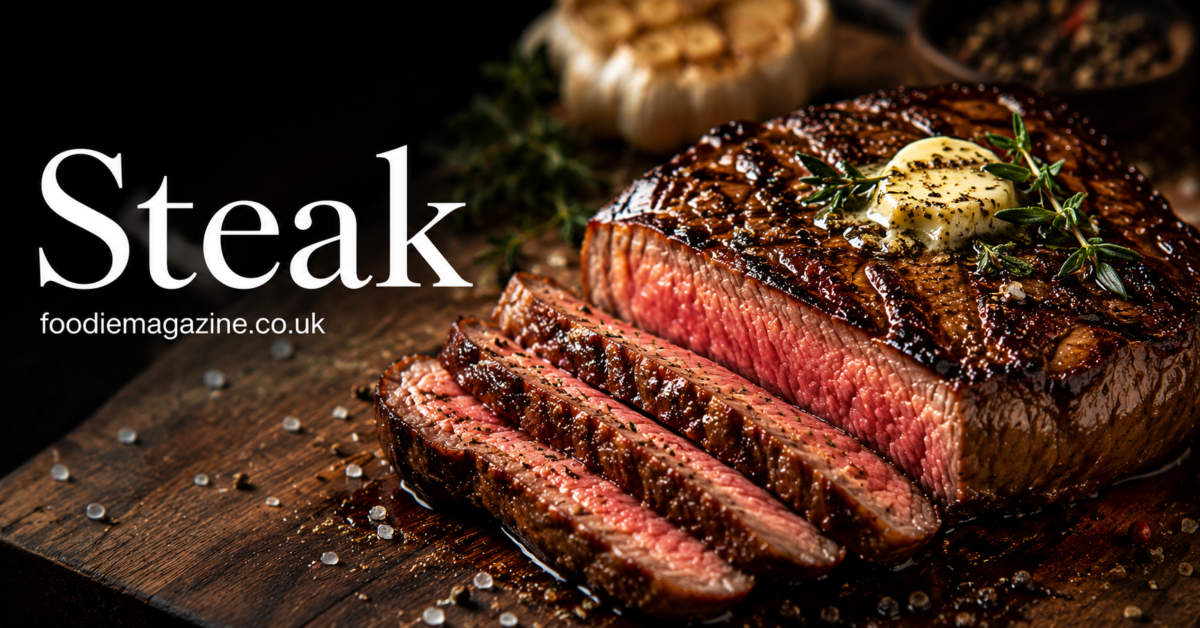
Steak is one of those foods that feels simple on the surface but becomes surprisingly deep once you pay attention to it. At its core, Steak is a cut of beef cooked in a way that brings out flavor, texture, and aroma in a very direct and powerful way. The problem many people face is not understanding what makes a Steak good or why the same cut can taste completely different depending on how it is handled. This creates curiosity because Steak is everywhere, from home kitchens to high end restaurants, yet few people truly understand what shapes its taste. What it means is that Steak is not just food, it is a cooking experience that combines heat, timing, and quality of meat. When you start looking closely, you realize Steak is both simple and complex at the same time. It connects everyday cooking with culinary skill in a way that feels satisfying and rewarding.
Understanding what Steak really means
To understand Steak properly, you need to break it down into a simple idea. Steak means a thick slice of meat, usually beef, that is cooked using dry heat methods like grilling or pan searing. Unlike slow cooked dishes, Steak focuses on speed and intensity. What it means is that the outside develops flavor quickly while the inside stays tender and juicy. This balance is what makes Steak special. People often think Steak is just food, but in reality, it is a technique combined with a specific cut of meat. The cut, fat content, and thickness all play a role in the final result. When you understand this, Steak stops being confusing and starts becoming logical. It is about controlling heat and respecting the natural structure of the meat so it delivers the best taste possible.
The origin and background of Steak culture
The history of Steak goes back to early cattle farming when people first learned how to cook beef over fire. Over time, different cultures developed their own ways of preparing meat, but Steak as we know it became especially popular in Europe and later in America. It grew with grilling culture and restaurant dining, becoming a symbol of rich flavor and satisfying meals. What it means is that Steak evolved with human cooking habits and technology. As cooking tools improved, Steak became more refined and consistent. It moved from simple fire cooking to controlled grilling and pan techniques. Today, Steak represents both tradition and modern cooking style. It connects ancient methods of fire cooking with today’s precision kitchens, showing how food evolves with human progress.
Core components of a great Steak experience
A good Steak depends on a few key elements working together. The first is the quality of the meat itself, including marbling which is the fat spread inside the muscle. The second is thickness, which helps control how evenly it cooks. The third is seasoning, usually simple salt and pepper, which enhances natural flavor instead of covering it. What it means is that Steak does not need complicated ingredients to taste good. Heat control is another major factor because too much heat can dry it out while too little can leave it undercooked. Resting time after cooking is also important because it allows juices to settle inside the meat. When all these components come together, Steak becomes balanced, flavorful, and satisfying in every bite.
Different types of Steak cuts explained simply
There are many types of Steak cuts, and each one has a different texture and taste. Ribeye is known for its rich marbling and strong flavor. Sirloin is leaner and slightly firmer, making it a balanced option. Tenderloin is soft and mild in taste, often considered the most tender cut. Strip Steak sits in the middle with a mix of flavor and texture. What it means is that no single Steak is better than the other; it depends on what experience you want. Fat content changes everything, from juiciness to taste intensity. Understanding cuts helps you choose the right Steak for your preference instead of guessing.
How Steak is prepared step by step in real life
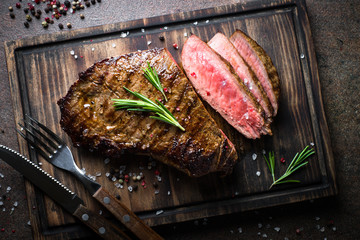
Preparing Steak starts long before it hits the pan. First, the meat is brought to room temperature so it cooks evenly. Next, it is seasoned with salt and sometimes pepper. After that, a hot pan or grill is prepared to create a strong sear. The Steak is placed on high heat for a short time on each side to lock in flavor. What it means is that timing is everything. Once cooked, the Steak is rested so the juices do not escape when cut. Each step builds flavor and texture. Skipping any step changes the final result, which shows how simple actions create a big difference in taste.
What happens during cooking of Steak scientifically
Cooking Steak is not just art, it is science. When heat touches the surface of the meat, a reaction called browning occurs, creating deep flavor and color. The fat inside begins to melt, spreading richness throughout the meat. Proteins change structure, making the texture firm yet juicy when done correctly. What it means is that Steak changes physically and chemically as it cooks. Temperature control determines whether the inside stays tender or becomes dry. This scientific process explains why Steak tastes better when cooked at the right heat instead of randomly. Understanding this helps you cook with more confidence instead of guessing.
Real world examples of Steak in everyday life
In real life, Steak appears in many situations beyond restaurants. People cook it at home for family dinners, celebrations, or weekend meals. In restaurants, Steak is often a premium dish served with sides like potatoes or vegetables. What it means is that Steak fits both casual and formal settings. In some cultures, Steak is part of special gatherings where food becomes a shared experience. It is also used in meal prep for athletes who need high protein food. These examples show that Steak is flexible and can adapt to different lifestyles without losing its identity.
Why Steak is popular in restaurants and homes
Steak remains popular because it delivers strong flavor with simple preparation. Restaurants love it because it feels premium and customers are willing to pay for quality cuts. At home, people enjoy it because it feels like restaurant style food without being overly complicated. What it means is that Steak sits in a sweet spot between luxury and simplicity. It also creates a satisfying experience because it feels complete on its own without needing complex recipes. The combination of taste, texture, and presentation keeps it consistently popular across different food cultures.
Benefits of eating and understanding Steak
Steak provides several benefits, especially in terms of protein content which supports muscle growth and energy. It is also rich in nutrients like iron and vitamin B12. Beyond nutrition, understanding Steak improves cooking skills and helps people appreciate food more deeply. What it means is that Steak is both nourishing and educational. It teaches basic cooking principles like heat control and timing. When people learn how Steak works, they become more confident in the kitchen and more aware of what they eat.
Nutritional value and what Steak gives the body
Steak is known for being a high protein food that supports body strength and recovery. It also contains essential minerals that help with energy production and oxygen flow in the body. However, it also contains fat, which means balance is important. What it means is that Steak should be consumed in moderation as part of a balanced diet. Different cuts have different nutritional profiles, with lean cuts offering less fat and richer cuts offering more flavor and energy density. Understanding this helps people make better dietary choices without avoiding Steak completely.
Applications of Steak in food industry and culture
Steak is used widely in restaurants, hotels, catering services, and home cooking. It is often featured as a signature dish because it represents quality and skill. In culture, Steak is associated with celebrations, fine dining, and special occasions. What it means is that Steak goes beyond food and becomes part of social experiences. It is used to impress guests, celebrate achievements, and create memorable meals. Its role in food culture continues to grow as global cuisine becomes more connected.
Challenges in cooking and preparing perfect Steak
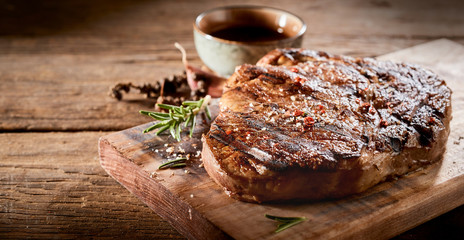
Cooking Steak is simple in theory but difficult in practice. One challenge is controlling heat so the inside cooks properly without burning the outside. Another challenge is choosing the right cut for the right cooking method. What it means is that small mistakes can change the entire result. Timing is also tricky because even a few extra seconds can overcook a Steak. These challenges make Steak both frustrating and rewarding for home cooks who want to improve their skills.
Mistakes people make when handling Steak
Common mistakes include cooking Steak straight from the fridge, using low heat, or cutting it immediately after cooking. These mistakes affect texture and flavor. What it means is that patience is just as important as technique. Over-seasoning can also hide the natural flavor of the meat. Many people also flip the Steak too often, which prevents proper crust formation. Avoiding these mistakes leads to a much better cooking result without needing advanced skills.
How technology and AI are changing Steak cooking
Modern cooking tools like smart thermometers and precision grills are changing how Steak is prepared. AI based kitchen devices can now suggest cooking times and temperatures based on cut and thickness. What it means is that technology reduces guesswork and improves consistency. Even home cooks can achieve restaurant level results with guidance from smart systems. This makes Steak cooking more accessible and less intimidating for beginners.
Future predictions for Steak in modern kitchens
In the future, Steak cooking will likely become more automated and precise. Smart kitchens may adjust heat automatically based on real time data. Plant based alternatives may also evolve, changing how people think about Steak. What it means is that Steak will continue to evolve with technology while keeping its core identity. The experience may become easier, but the appreciation for quality meat and cooking skill will remain important.
Steak in global cuisines and cultural meaning
Different countries prepare Steak in unique ways, using local spices and cooking styles. Some cultures prefer heavily seasoned Steak, while others focus on pure beef flavor. What it means is that Steak adapts to cultural identity while staying recognizable. It is a global food that connects different traditions through a shared cooking method. This cultural flexibility is one reason why Steak remains so widely loved.
How to choose the right Steak for different needs
Choosing Steak depends on taste preference, budget, and cooking method. If you want rich flavor, ribeye is a strong choice. If you prefer lean meat, sirloin works better. What it means is that there is no single correct option. Understanding your goal helps you choose wisely. Thickness and fat content should also match your cooking style to avoid overcooking or dryness.
Tips to improve Steak taste at home
Simple tips can dramatically improve Steak flavor. Letting it rest before and after cooking helps maintain juiciness. Using high heat at the start creates a better crust. What it means is that small details matter more than complex recipes. Seasoning at the right time also enhances taste without overpowering the meat. These small habits can turn an average Steak into a great one.
Environmental and ethical considerations of Steak
Steak production has environmental impacts, especially related to land use and resource consumption. Ethical concerns also include animal welfare and sustainable farming. What it means is that people are becoming more aware of where their food comes from. This awareness is pushing the food industry toward more responsible practices and alternative protein sources.
Conclusion
Steak is more than just a meal. It is a combination of science, skill, tradition, and personal preference. From simple home cooking to high end dining, Steak continues to hold its place as a powerful food experience. What it means is that understanding Steak helps you understand cooking itself in a deeper way. It teaches patience, control, and appreciation for quality ingredients. In the end, Steak is not just about eating—it is about experiencing food in its most direct and satisfying form.
FAQs about Steak
What is Steak
Steak is a thick cut of beef cooked using high heat methods like grilling or pan searing.
What is the best Steak cut
Ribeye is often preferred for its rich flavor and fat content.
How should Steak be cooked
Steak should be cooked on high heat for a short time and then rested before serving.
Is Steak healthy
Steak provides protein and nutrients but should be eaten in moderation.
Why does Steak taste better medium rare
Medium rare keeps the juices and fat balanced, creating better flavor and texture.