

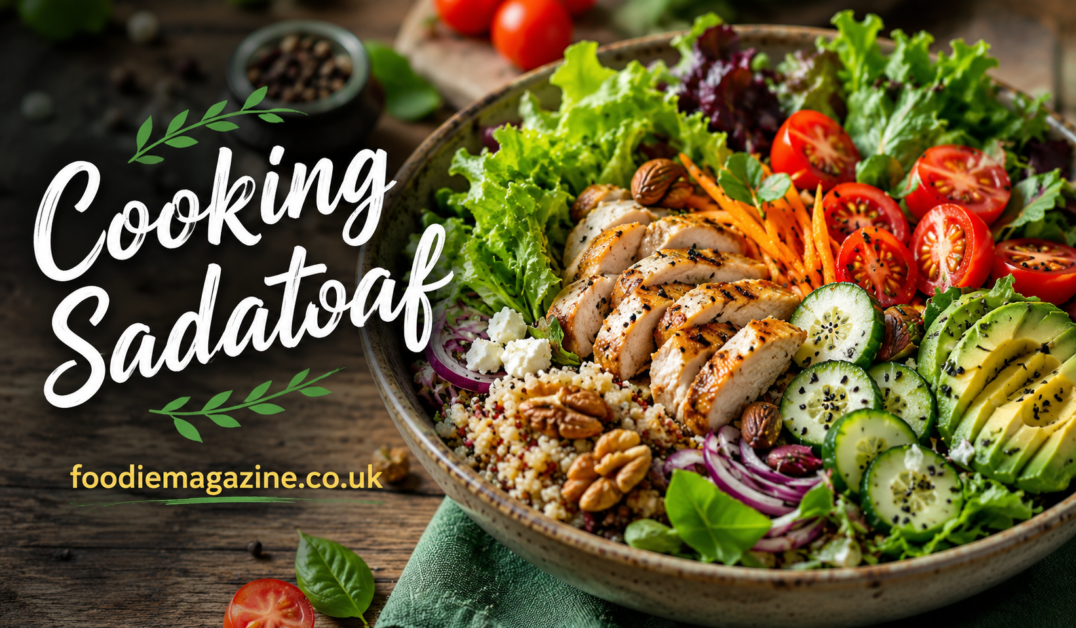
Cooking sadatoaf refers to the process of preparing a fresh, balanced salad that emphasizes quality ingredients, proper texture, and complementary flavors. Although the phrase may not be widely recognized in traditional culinary terminology, it represents the art of creating satisfying salads that are both nutritious and enjoyable.
The concept focuses on three key elements:
- Freshness
- Flavor balance
- Texture variety
A well-made salad should offer crisp vegetables, refreshing ingredients, flavorful toppings, and a dressing that ties everything together without overpowering the natural taste of the produce.
Why Salads Have Become More Popular Than Ever
Over the last decade, people have become increasingly interested in healthier eating habits. As a result, salads have evolved from simple side dishes into complete meals packed with nutrients.
Several factors have contributed to their popularity:
Health Awareness
Many individuals are looking for ways to increase their vegetable intake while reducing processed foods. Salads provide an easy solution.
Convenience
Most salads require minimal cooking and can be prepared quickly, making them ideal for busy lifestyles.
Customization
Unlike many recipes, salads can easily be adjusted to suit different dietary preferences, allergies, and personal tastes.
Seasonal Flexibility
Fresh ingredients are available year-round, allowing endless variations depending on the season.
The Foundation of a Great Sadatoaf Salad
Every excellent salad starts with a strong foundation. The base ingredients determine the overall texture, flavor profile, and nutritional value.
Leafy Greens
Greens provide the structure of most salads.
Popular options include:
- Romaine lettuce
- Iceberg lettuce
- Spinach
- Arugula
- Kale
- Mixed greens
Each type offers unique flavors and textures. Romaine provides crunch, while spinach delivers a softer texture and mild taste.
Fresh Vegetables
Vegetables add color, nutrition, and variety.
Common choices include:
- Cucumbers
- Tomatoes
- Bell peppers
- Carrots
- Radishes
- Red onions
- Celery
Using multiple vegetables creates a more visually appealing and flavorful dish.
Protein Sources
Adding protein transforms a salad from a side dish into a complete meal.
Examples include:
- Grilled chicken
- Boiled eggs
- Chickpeas
- Tofu
- Tuna
- Shrimp
- Turkey
Protein helps improve satiety and supports muscle maintenance.
The Importance of Texture in Cooking Sadatoaf
One of the biggest mistakes people make when preparing salads is ignoring texture.
Texture creates interest and keeps every bite enjoyable.
Consider combining:
- Crunchy vegetables
- Tender greens
- Creamy ingredients
- Crispy toppings
For example, spinach paired with cucumbers, avocado, and toasted almonds creates a satisfying combination of textures.
Crunchy Additions
Popular crunchy toppings include:
- Croutons
- Sunflower seeds
- Pumpkin seeds
- Almonds
- Walnuts
- Pecans
These ingredients provide contrast and make the salad more satisfying.
Choosing the Perfect Dressing
A salad dressing acts as the bridge that connects all ingredients.
The best dressings enhance flavors rather than hide them.
Classic Vinaigrette
A simple vinaigrette remains one of the most versatile options.
Ingredients:
- Olive oil
- Vinegar
- Salt
- Pepper
- Lemon juice
Whisk the ingredients together until combined.
Creamy Dressings
Creamy dressings create a richer flavor profile.
Popular options include:
- Ranch
- Caesar
- Blue cheese
- Yogurt-based dressings
Use them sparingly to avoid overwhelming the fresh ingredients.
Citrus Dressings
Lemon and orange-based dressings add brightness and freshness.
These work particularly well with leafy greens and seafood.
Step-by-Step Guide to Cooking Sadatoaf
Preparing a great salad is easier when you follow a systematic approach.
Step 1: Wash Ingredients Thoroughly
Always rinse vegetables under cool water.
Remove dirt, debris, and potential contaminants.
Step 2: Dry the Greens
Excess moisture can dilute the dressing and create a soggy salad.
A salad spinner works particularly well.
Step 3: Chop Ingredients Evenly
Uniform pieces ensure balanced bites and better presentation.
Step 4: Prepare the Dressing
Mix dressing ingredients separately before adding them to the salad.
Step 5: Combine Ingredients
Place all ingredients in a large bowl.
Step 6: Dress Before Serving
Add dressing immediately before serving to maintain crispness.
Step 7: Toss Gently
Use tongs or clean hands to distribute the dressing evenly.
Health Benefits of Cooking Sadatoaf
Salads offer a remarkable range of health benefits.
Rich in Vitamins
Vegetables contain essential nutrients including:
- Vitamin A
- Vitamin C
- Vitamin K
- Folate
These nutrients support immune function and overall wellness.
Supports Digestion
Many salad ingredients contain fiber, which promotes healthy digestion.
Weight Management
Salads are often lower in calories while providing significant volume and satisfaction.
Hydration
Fresh vegetables contain high amounts of water that contribute to daily hydration needs.
Heart Health
Ingredients like olive oil, nuts, and leafy greens support cardiovascular health.
Common Mistakes to Avoid
Even experienced home cooks can make errors when preparing salads.
Overdressing
Too much dressing can overwhelm ingredients and create a soggy texture.
Using Wilted Greens
Freshness matters significantly.
Always inspect produce before use.
Lack of Variety
A salad consisting only of lettuce often feels boring.
Mix textures, colors, and flavors.
Adding Dressing Too Early
Premature dressing causes vegetables to lose crispness.
Ignoring Seasoning
A pinch of salt and pepper can dramatically improve flavor.
Seasonal Sadatoaf Ideas
Seasonal ingredients often provide the best flavor and value.
Spring Salad
Ingredients:
- Baby spinach
- Strawberries
- Goat cheese
- Pecans
Summer Salad
Ingredients:
- Cucumbers
- Tomatoes
- Sweet corn
- Fresh basil
Autumn Salad
Ingredients:
- Kale
- Roasted squash
- Apples
- Walnuts
Winter Salad
Ingredients:
- Mixed greens
- Citrus fruits
- Pomegranate seeds
- Almonds
Protein-Rich Sadatoaf Meal Ideas
Many people want salads that provide lasting energy.
Grilled Chicken Salad
A classic option that combines lean protein with fresh vegetables.
Chickpea Salad
Ideal for vegetarians seeking additional protein.
Tuna Salad Bowl
A nutritious and convenient lunch option.
Tofu and Vegetable Salad
Excellent for plant-based diets.
Making Sadatoaf More Kid-Friendly
Children often hesitate to eat salads.
A few simple strategies can help.
Add Familiar Ingredients
Try:
- Cheese cubes
- Sweet corn
- Apple slices
Use Colorful Vegetables
Bright colors make salads more appealing.
Offer Dips
Light yogurt-based dressings can encourage children to try new vegetables.
Creative Toppings for Extra Flavor
Toppings can completely transform a salad.
Consider adding:
- Avocado
- Feta cheese
- Dried cranberries
- Roasted chickpeas
- Fresh herbs
- Bacon bits
- Grated parmesan
The key is maintaining balance without overwhelming the main ingredients.
Restaurant-Quality Presentation Tips
Presentation affects how food is perceived.
Use a Large Bowl
Crowded salads can appear messy.
Layer Ingredients
Arrange colorful ingredients on top.
Garnish Thoughtfully
Fresh herbs add visual appeal and flavor.
Serve Chilled
Cold salads generally taste fresher and more refreshing.
Why Cooking Sadatoaf Fits Modern Lifestyles
Today’s consumers seek meals that are healthy, convenient, and customizable.
Salads meet all three requirements.
They can be prepared quickly, adapted to dietary preferences, and enjoyed at home, work, or social gatherings.
Whether someone follows a vegetarian lifestyle, seeks weight-management options, or simply wants to eat more vegetables, salads offer a practical solution.
Conclusion
Cooking sadatoaf is much more than tossing vegetables into a bowl. It involves understanding how flavors, textures, and ingredients work together to create a satisfying and nutritious dish. By selecting fresh produce, incorporating protein, balancing textures, and using the right dressing, anyone can prepare salads that are both healthy and enjoyable.
The beauty of cooking sadatoaf lies in its flexibility. There are no strict rules, only guiding principles that help transform simple ingredients into something delicious. Whether you are preparing a quick lunch, a family dinner, or a healthy meal plan for the week, mastering salad preparation is a skill that can benefit you for years to come.
Frequently Asked Questions (FAQs)
1. What does cooking sadatoaf mean?
Cooking sadatoaf refers to the process of preparing a balanced, fresh, and flavorful salad using quality ingredients and proper techniques.
2. What is the best dressing for a salad?
A simple vinaigrette made from olive oil, vinegar, lemon juice, salt, and pepper is often considered one of the best options.
3. How can I keep my salad fresh longer?
Wash and dry greens thoroughly, store ingredients separately, and add dressing only before serving.
4. Can salads be a complete meal?
Yes. Adding protein sources such as chicken, tofu, eggs, or legumes can create a filling and nutritious meal.
5. Which greens are best for salads?
Romaine, spinach, arugula, kale, and mixed greens are among the most popular choices.
Read also: Best Pollo al Chilindrón Near Me Complete Guide for Food Lovers