
Argentina Traditional Food isn’t just about eating. It’s about gathering, sharing time, and slowing down a little. If you sit at a table in Buenos Aires or a small town in Mendoza, you’ll quickly notice something: food here carries emotion. It’s social, warm, and deeply rooted in tradition.
When people search for Argentina traditional food, they’re usually expecting a list. But the real story is bigger than dishes. It’s about why those dishes exist, how they’re eaten, and what they mean to the people who grew up with them.
Let’s break it down in a way that actually feels real.
The Heart of Argentina Traditional Food Culture
Argentina’s cuisine is shaped by a mix of Indigenous heritage, Spanish influence, and strong Italian immigration. That combination created something unique—simple ingredients, bold flavors, and food that’s meant to be shared.
Here’s the thing: Argentines don’t just “eat.” They gather around food for hours. Lunch can stretch into the afternoon. Dinner often starts late. And weekends? That’s when food becomes an event.
At the center of it all is meat, especially beef. Argentina is one of the world’s biggest beef-consuming countries, and that shows in almost every traditional meal.
But there’s more to it than just steak.
Asado – The Soul of Argentine Cooking
If there’s one dish that defines Argentina, it’s asado.
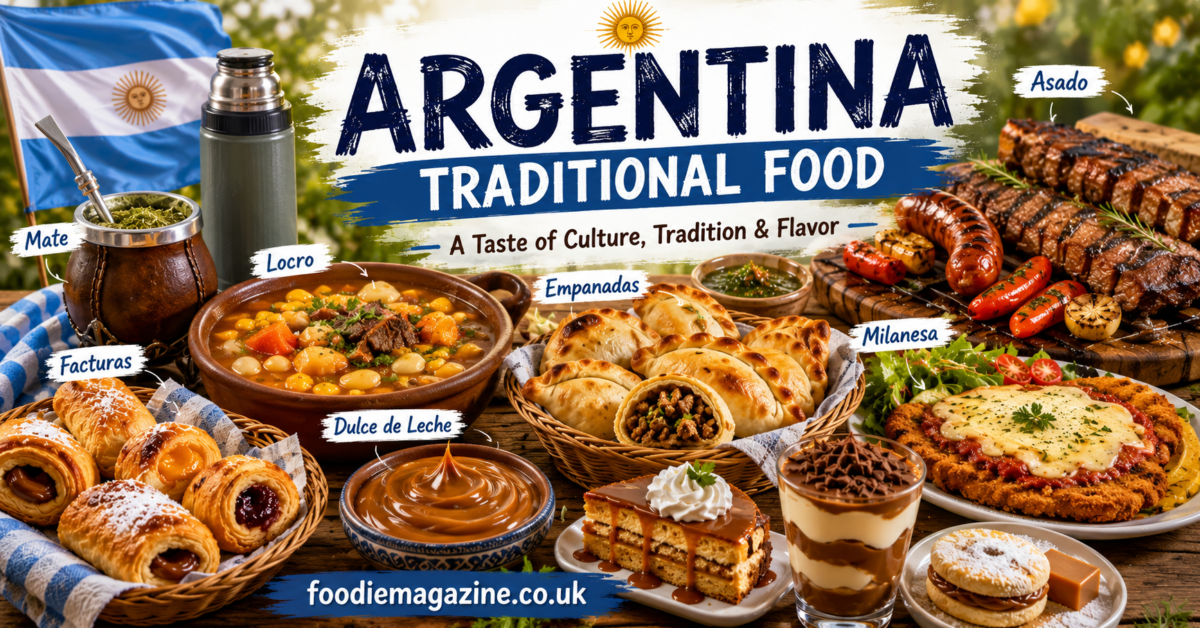
Asado isn’t just barbecue—it’s a ritual. Meat is slowly grilled over wood or charcoal, usually outdoors, while friends and family gather around. There’s no rush. No strict schedule. Just conversation, laughter, and the smell of fire-cooked meat filling the air.
Typical cuts include ribs, short ribs, sausages (chorizo), and sometimes organ meats for the adventurous. Everything is seasoned lightly because the focus is on the natural flavor of the meat.
What makes asado special isn’t the technique. It’s the atmosphere. It turns a simple meal into a long social experience.

Empanadas – The Everyday Favorite
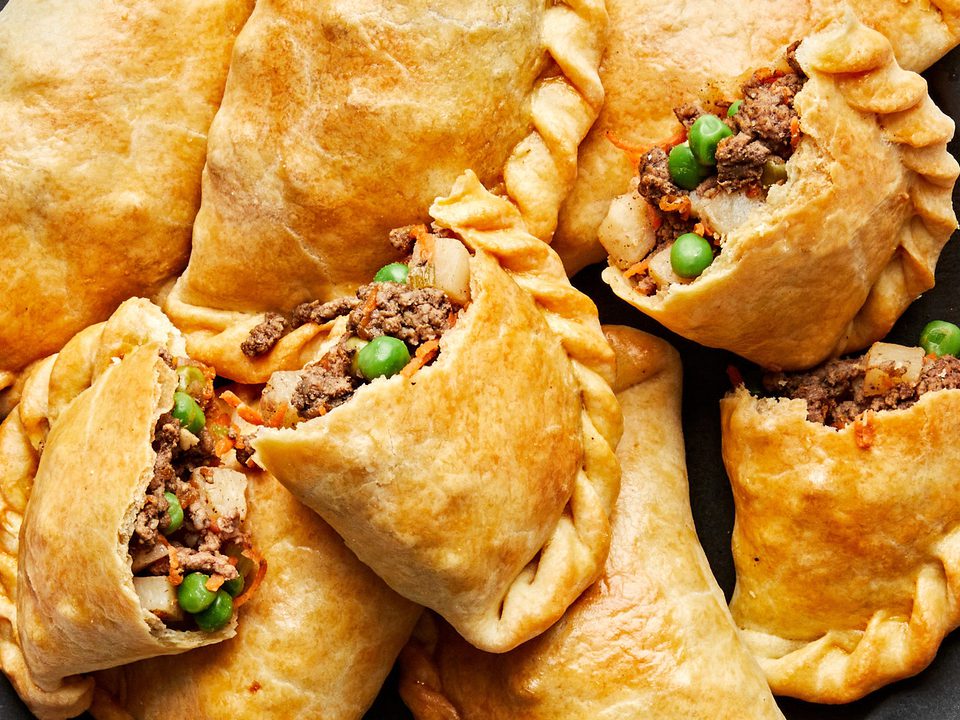
Another staple of Argentina traditional food is empanadas.
These are small, folded pastries filled with ingredients like minced beef, chicken, cheese, or vegetables. They can be baked or fried depending on the region.
What’s interesting is how regional they are. In Salta, empanadas are smaller and slightly spicier. In Buenos Aires, they’re usually bigger, baked, and milder in flavor.
They’re eaten everywhere—at home, at parties, or as a quick snack on the go. Think of them as Argentina’s version of comfort food that fits in your hand.
Milanesa – Simple, Crispy, and Everywhere
Milanesa is one of those dishes that feels familiar even if you’ve never been to Argentina. It’s a thin slice of beef or chicken, coated in breadcrumbs, then fried until golden and crispy.
It’s usually served with mashed potatoes, fries, or salad. But there’s also a popular version called “milanesa a la napolitana,” topped with tomato sauce, ham, and melted cheese.
It’s not fancy. That’s exactly why people love it.

Locro – A Dish with Deep Roots
Locro is a thick, hearty stew made with corn, beans, potatoes, pumpkin, and meat. It comes from Indigenous Andean traditions and is especially popular during national celebrations like Independence Day.
It’s rich, heavy, and meant to keep you full for hours. You don’t just eat locro—you experience it. It represents history, survival, and comfort in a single bowl.

Dulce de Leche – Argentina’s Sweet Obsession
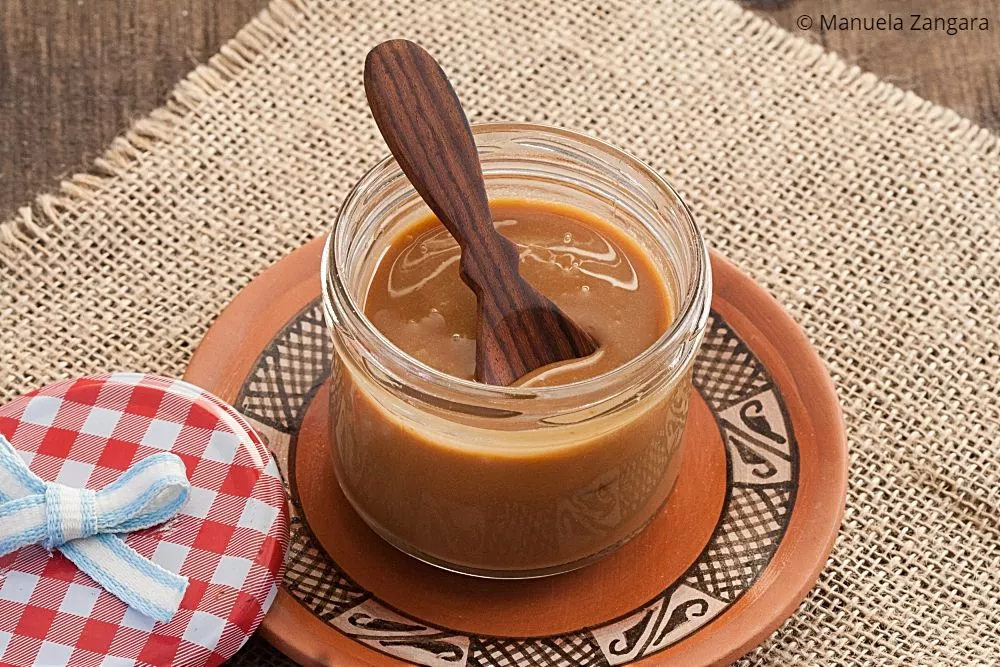
If Argentina had a dessert identity, this would be it. Dulce de leche is a thick caramel-like spread made by slowly heating sweetened milk.
It appears everywhere: in cakes, cookies, ice cream, pancakes, and even eaten straight from the spoon. It’s sweet, rich, and incredibly addictive.
Many Argentines grow up with it as a pantry staple, almost like peanut butter in other countries—but sweeter and more indulgent.
Mate – More Than Just a Drink
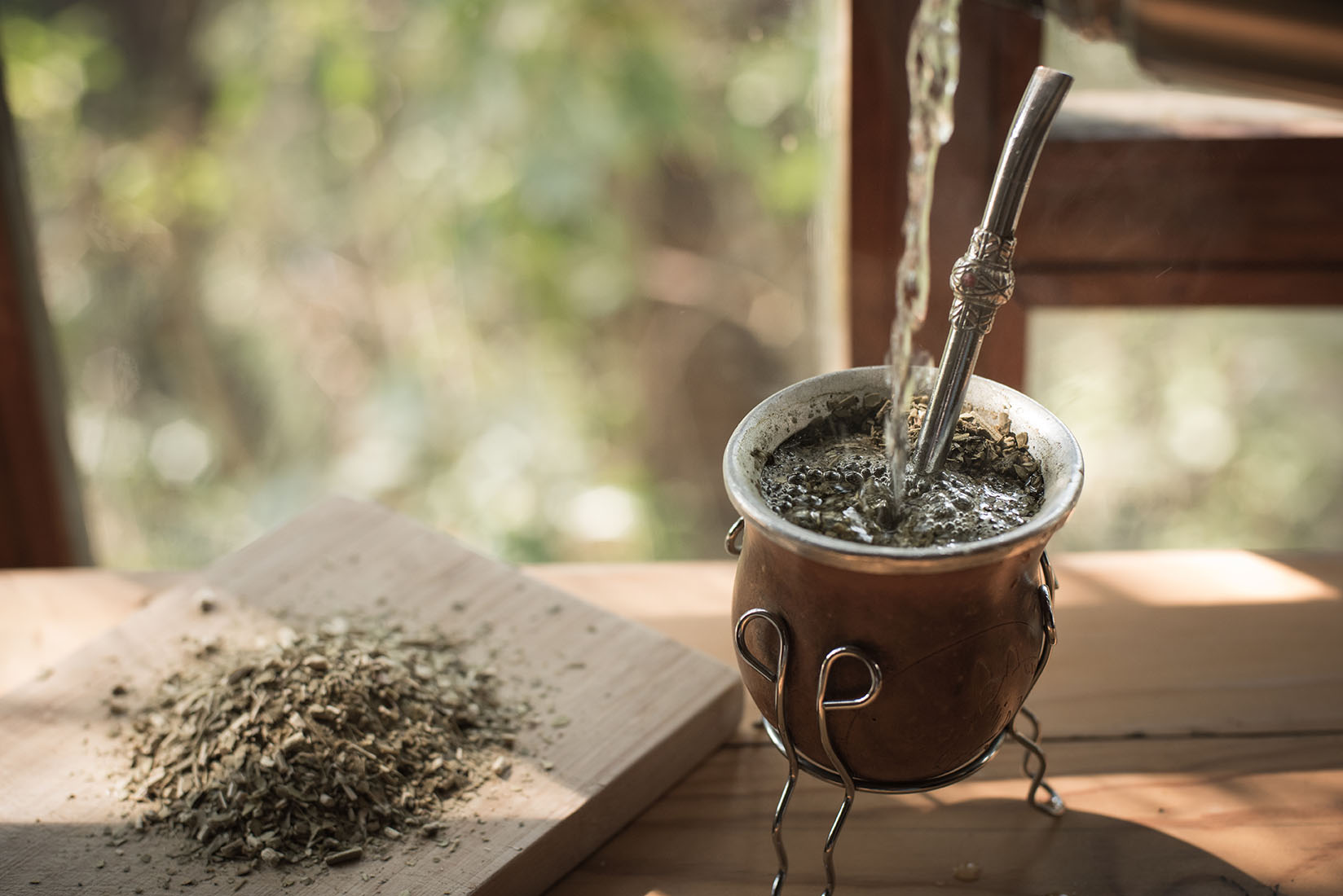
Mate is not just tea. It’s a social ritual that connects people.
Made from yerba mate leaves, it’s served in a gourd and sipped through a metal straw called a bombilla. What makes it unique is how it’s shared. One person prepares it and passes it around in a circle.
It’s a symbol of friendship, trust, and everyday connection. In Argentina, offering someone mate is like inviting them into your personal space.
Facturas – Sweet Bakery Culture
Facturas are sweet pastries found in almost every bakery in Argentina. They come in many shapes and fillings—custard, jam, and dulce de leche are the most common.
People usually eat them with coffee or mate in the morning or afternoon. It’s a small daily pleasure that fits perfectly into Argentine café culture.

Italian Influence in Argentina Traditional Food
One thing that surprises many visitors is how Italian Argentina feels when it comes to food.
Because of large Italian immigration, dishes like pizza, pasta, and gnocchi are deeply embedded in local eating habits. In fact, many families eat gnocchi on the 29th of every month, a tradition believed to bring good luck and financial prosperity.
It’s a perfect example of how Argentina absorbed outside influence and made it its own.
Street Food and Everyday Eating Habits
Outside restaurants, Argentina’s street food scene is simple but satisfying.
You’ll find choripán (chorizo sandwich), empanadas on the go, and sweet bakery items everywhere. Meals are often quick during weekdays but slow and social on weekends.
Breakfast is usually light—coffee and facturas. Lunch is the main meal. Dinner? Late and relaxed.
Regional Differences in Argentine Cuisine
Argentina is a big country, and food changes depending on where you are.
In the north, Indigenous influence is stronger, so dishes like locro are more common. In the south, lamb and seafood become more important. In Buenos Aires, everything blends together because of urban diversity.
So while there’s a national identity, there’s also a strong regional personality in the food.
Why Argentina Traditional Food Stands Out Globally
What makes Argentina’s food special isn’t complexity. It’s honesty.
Ingredients are simple, but preparation is intentional. Meals are slow, social, and meaningful. There’s a strong connection between food and life rhythm.
That’s why even simple dishes feel memorable. They’re not rushed. They’re experienced.
Conclusion
Argentina traditional food isn’t just about recipes. It’s about rhythm, people, and connection. Meals are slow, shared, and meaningful. Whether it’s a smoky asado on a Sunday or a simple mate shared in a park, food becomes part of daily life—not just a necessity.
What really stands out is how uncomplicated everything feels. No overthinking. No rush. Just food, people, and time well spent.
FAQs About Argentina Traditional Food
What is the most popular traditional food in Argentina?
The most iconic dish is asado, a slow-grilled barbecue that brings people together for long meals.
What is Argentina’s national dish?
While not officially declared, locro and asado are widely considered national favorites.
Is Argentine food spicy?
Generally no. Argentine food focuses more on flavor from meat and slow cooking rather than spice.
What is Argentina’s famous dessert?
Dulce de leche is the most famous dessert ingredient used in cakes, pastries, and ice cream.
Do Argentines eat a lot of meat?
Yes, beef is a central part of the diet, especially in traditional meals like asado.
What is mate and why is it important?
Mate is a traditional herbal drink shared socially. It represents friendship and connection.
What makes Argentine food unique?
Its blend of Indigenous roots, Spanish influence, and Italian traditions, combined with a strong social eating culture.
Read also: Best Locro Argentino Near Me Complete Guide